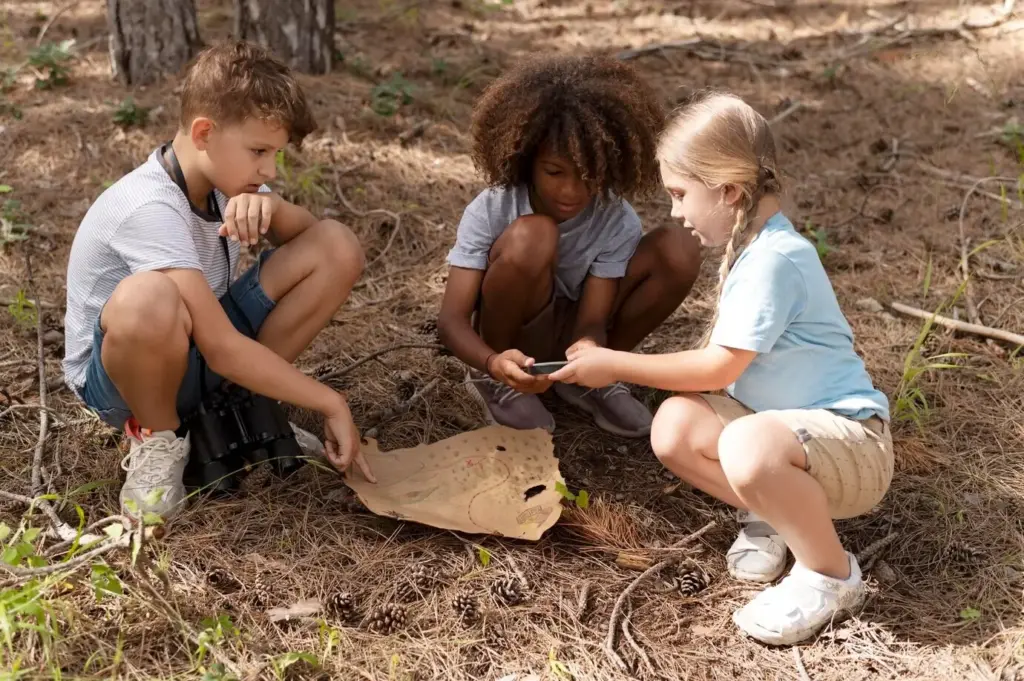
Little Escapes, Lasting Connections

Today we explore family bonding through short weekend adventures that support mental wellbeing, celebrating how even a few intentional hours can brighten moods, reduce stress, and bring people closer. Expect practical ideas, warm stories, and science-backed insights you can use this very weekend. We will help you find simple, repeatable rituals that fit real lives, tight budgets, and unpredictable schedules, proving that meaningful rest does not require epic plans. Together, let’s cultivate joyful micro-memories, protect emotional health, and strengthen trust through playful curiosity, gentle structure, and compassionate listening.

Why Short Adventures Lift Hearts

Short, well-chosen outings work because they balance novelty with safety, inviting laughter without overwhelming anyone’s stamina or budget. When families step outdoors or into a new environment, minds reset and bodies soften, building calm and connection. Research on micro-rest, green spaces, and awe suggests even brief experiences can lower cortisol, replenish attention, and foster empathy. Frequent small wins matter more than rare grand gestures, because consistency creates dependable warmth. These little resets become anchors, steadying everyone through busy seasons while nurturing resilience.

Planning That Feels Effortless

Planning micro-adventures need not be complicated or exhausting. Think ninety minutes to half a day, anchored by simple logistics and a clear meeting point. Start with a nearby space, a flexible timeline, and a shared intention. Offer a couple of choices, then let the day breathe. Pack light, agree on gentle safety cues, and leave room for snacks, rest, and curiosity. The best plans reduce friction, harness local delights, and welcome changing energy levels without guilt.

Pick a Nearby Wonder

Choose destinations within thirty minutes to reduce stress and increase follow-through. A riverside path, small museum, community garden, or neighborhood mural walk can feel special when framed with playful objectives. Use local maps, library passes, or city event calendars to uncover hidden gems. Keep options flexible, with a backup for rain. The magic emerges from perspective: ordinary spaces become extraordinary when you observe textures, scents, and stories together, moving slowly enough to truly notice.

Pack Light, Pack Right

Prepare a small go-bag that lives near the door: reusable water bottles, fruit, nuts, sunscreen, a compact blanket, portable charger, and bandages. Add a stress-friendly toolkit: a fidget, headphones, and a simple grounding card. Keep the bag tidy and ready. Light packing reduces decision fatigue, prevents meltdowns, and safeguards energy for connection. A tiny journal or phone note can capture moments, gratitudes, or funny quotes, turning a brief outing into a cherished keepsake.

Sunrise Walk and Story Swap

Wake a little early, dress warmly, and watch the sky change together. Invite each person to share a tiny story about something they hope to notice that day, or a memory the colors evoke. Keep phones pocketed for twenty minutes. Pause for a slow breath, naming a scent, a sound, and a feeling. The ritual plants calm before schedules begin, and the shared horizon becomes a private secret that gently brightens the rest of the weekend.

Two-Hour Museum Quest

Pick one floor, set a playful objective—find three blue objects, a spiral, and a circle—and move without pressure. Encourage kids or teens to guide the route while adults savor slower details. Take a mid-visit snack break to reflect. Snap one group selfie near a favorite piece, then write a sentence about why it resonates. Leaving while still energized preserves the magic. You’ll create a shared narrative that feels artful, personal, and wonderfully repeatable.

Backyard Campfire Mindfulness

If allowed and safe, gather around a small fire or lantern, listening to crackles and night sounds. Practice a simple grounding exercise: name five things you can hear, four you can feel, three you can see. Share a gratitude each. Roast fruit or marshmallows slowly, appreciating patience as an ingredient. End with a collective wish for the week ahead. The gentle glow lowers defenses, and the dark sky invites honesty, laughter, and cozy togetherness.

Departure High-Fives and Intentions

Before leaving, circle up for a quick high-five chain and a one-sentence intention from each person. Keep it playful and flexible: “I’ll notice three new smells,” or “I’ll ask two curious questions.” This light structure encourages agency and shared focus. Over time, watch how intentions evolve into family values, shaping conversations and decisions. The quick ritual calms anticipatory anxiety, boosts motivation, and sets a cooperative tone that carries through traffic, lines, and unexpected detours.

The Gratitude Game on the Ride

During travel, take turns naming one small delight: a quirky mailbox, a funny cloud, or a song lyric that landed perfectly. Set a gentle rule that no one repeats an item. This keeps attention scanning for beauty, subtly training brains toward awe. The game is easy to start, simple to pause, and perfect for mixed ages. When gratitude becomes a shared hunt, stress softens, and connection grows almost accidentally, ride after ride, weekend after weekend.

Tiny Souvenirs, Big Meaning

Collect small, ethical tokens—a fallen leaf, a subway ticket, a pebble from the path—and place them in a clear jar at home. Once a month, gather to retell the stories behind a few items. Ask what each keepsake taught you about patience, play, or courage. The jar becomes a living archive of effort and joy. For children, it reinforces memory and narrative skills; for adults, it celebrates continuity, turning fleeting hours into lasting emotional anchors.

Making Space for Every Voice

True bonding respects differences in energy, sensory needs, abilities, and comfort levels. Plan with inclusion at the center, offering choices and gentle exits. Use visual schedules, quiet breaks, and flexible roles. Invite honest “no thanks” responses without penalty. When a plan fits the most sensitive person, everyone benefits. Assume that needs will shift and that adjustments are signs of wisdom, not failure. This approach protects mental wellbeing, nurtures dignity, and makes adventure feel safe and welcoming.

Afterglow: Reflect, Celebrate, Repeat

Five-Minute Family Debrief

Gather with snacks and ask three questions: What lifted your mood? What was hard but manageable? What could we try differently next time? Keep responses bite-sized and appreciative. This ritual normalizes feedback, strengthens emotional vocabulary, and reduces blame. Over time, patterns emerge—preferred times, ideal distances, helpful snacks—guiding smarter choices. The debrief’s brevity protects energy and keeps everyone willing to repeat it, making reflection a friendly habit rather than a tedious chore.

Memory Jar or Digital Board

Pick a home for memories: a glass jar with handwritten notes, or a shared digital board with photos and one-line captions. Revisit during rainy afternoons or tough weeks. Seeing evidence of joy reminds everyone that hard moments pass. Invite children to decorate entries with doodles or stickers. The archive becomes a motivational compass, fueling the next outing and anchoring gratitude. It also helps track which micro-adventures consistently support mental wellbeing across seasons and moods.

Plan the Next Little Adventure

Before momentum fades, choose a simple next step: a date window, a likely destination, and one intention. Keep details flexible. Add it to the family calendar and prepare the go-bag. This tiny commitment counters life’s drift and protects shared time. Anticipation alone lifts spirits, and planning together models collaborative problem-solving. By repeating this quick cycle, you create a reliable rhythm that nourishes minds, hearts, and relationships without overloading anyone’s capacity.

Community Stories and Your Turn

A Dad’s Fifteen-Minute Ferry Ritual

One father and daughter ride the shortest ferry route every Sunday at dusk. They count buoys, watch gulls, and exchange one compliment, one curiosity, and one wish for the week. The predictable route means zero planning fights. The water’s rhythm settles their nerves. After three months, homework stress felt lighter, arguments shorter, and bedtime softer. Sometimes tiny becomes transformational precisely because it fits, repeats, and wraps life’s noise in a calm, dependable pattern.

A Teen’s Perspective on Quiet Trails

A fifteen-year-old shared that short, quiet hikes helped them feel heard without the intensity of eye contact. Walking side by side lowered social pressure, unlocking honest talk about school and friends. They chose the playlist and pace, which mattered deeply. Rainy days brought laughter, sunny days brought photos, and both brought relief. The teen now requests these walks before big tests, using movement and nature to regulate emotions and rebuild confidence gently.

Share Yours and Stay Connected

Tell us about your smallest, happiest escape in the comments or replies. What made it work, and what would you tweak? Your insights help other families begin. Subscribe for weekly prompts, printable checklists, and fresh micro-adventure ideas suitable for diverse needs. Invite a friend to join, and compare notes after your next outing. Together, we can keep showing up for each other, growing steadier, kinder, and more playfully connected.
Lupazaxotelalapape
Privacy Overview

This website uses cookies so that we can provide you with the best user experience possible. Cookie information is stored in your browser and performs functions such as recognising you when you return to our website and helping our team to understand which sections of the website you find most interesting and useful.