Seasonal Neighborhood Escapes: Rituals That Lift Your Mood Month by Month

Step outside your door and discover how tiny, local adventures can refresh your energy and brighten your outlook. Today we explore Seasonal Neighborhood Escapes: Mood-Boosting Rituals for Every Month, celebrating close-to-home routines that harness light, weather, color, and community to elevate well-being. Expect inviting ideas, small experiments, and encouraging stories that fit busy schedules, tight budgets, and shifting seasons, turning ordinary blocks into soulful retreats that steadily nurture resilience, creativity, and joy.

Why Nearby Adventures Change How You Feel

Short, gentle outings within walking distance deliver novelty without decision fatigue, creating a reliable spark for motivation. Research consistently links small doses of nature, movement, and sunlight with improved mood, steadier sleep, and lower stress. A neighbor once shared how a five minute detour past a mural brightened an exhausting week, not because the destination was grand, but because curiosity was activated. It is this accessible mix of movement, color, and attention that steadily compounds into greater emotional balance.

January–March: Warming Winter From Your Street

Winter invites cozy rhythms and crisp clarity, but it also challenges motivation. Nearby rituals remove barriers by emphasizing layered clothing, short routes, and bright rewards. Think thermos tea, a favorite scarf, and a reliable fifteen minute loop that chisels fog from the mind. You might seek frost sparkle, listen for quiet, or note the comfort of window light spilling onto sidewalks. When practiced gently and regularly, these routines bring warmth from within, restoring steadiness and hopeful momentum for the months ahead.

April: Blossom map and rainy day wander

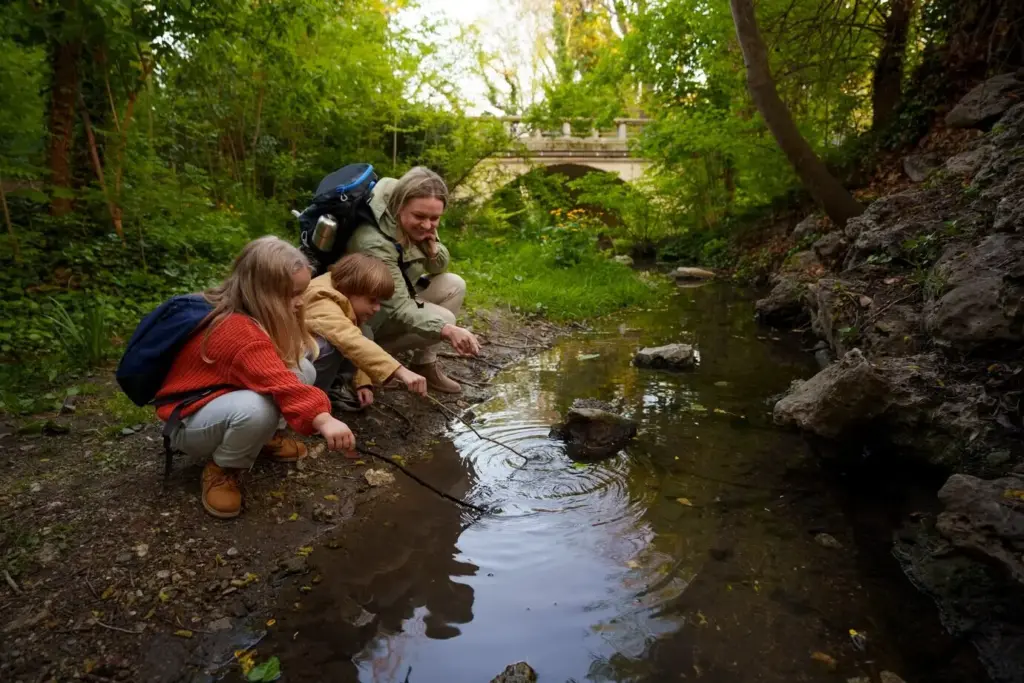
Carry a small notebook and mark where bulbs, petals, or fresh shoots appear along your street. On wet days, gear up with a cap and waterproof layers, then savor reflections in puddles and the softened soundscape. Pause near a flowering tree and name three shades you see, from pale blush to deep fuchsia. When you return, add a few notes or a sketch. Over several weeks, your evolving map becomes a comforting record of renewal, anchored in blocks you already know well.

May: Slow coffee window stroll

Pick up a simple coffee or tea and meander along storefronts, treating each window as a small gallery. Notice color palettes, seasonal displays, handwritten signs, and textures of wood, glass, and brick. Let your pace be leisurely, stopping to appreciate details without pressure to buy. If a shopkeeper greets you, exchange a sentence of shared delight about the weather or a new arrangement. Conclude by naming three design ideas you might borrow at home, nurturing creativity through close observation and gentle pleasure.

June: Golden hour micro picnic

Pack a cloth, fruit, and water, then head to a pocket park or apartment courtyard when the light softens. Sit where you can watch long shadows move across benches and bicycles. Practice a five senses check in, noticing scents of grass, distant conversation, and temperature changes on your skin. Keep your phone away unless you are capturing a single intentional photo. End by leaving the spot cleaner than you found it. This graceful pause transforms an ordinary evening into an uncomplicated, heartening celebration.

July–September: Cool, Curious, and Close

Heat invites strategic planning and playful timing. Embrace shade maps, water breaks, and late evening rambles that keep energy comfortable while curiosity stays high. Seek breezy corridors between buildings, library air conditioning, or community events that activate culture without long travel. Fill a small bag with sunscreen, a reusable bottle, and a compact journal. These months reward exploration of texture and sound at dusk, when cicadas hum and streets glow. With gentle intention, nearby corners become stages where summer feels light, welcoming, and kind.

July: Shade safari treasure hunt

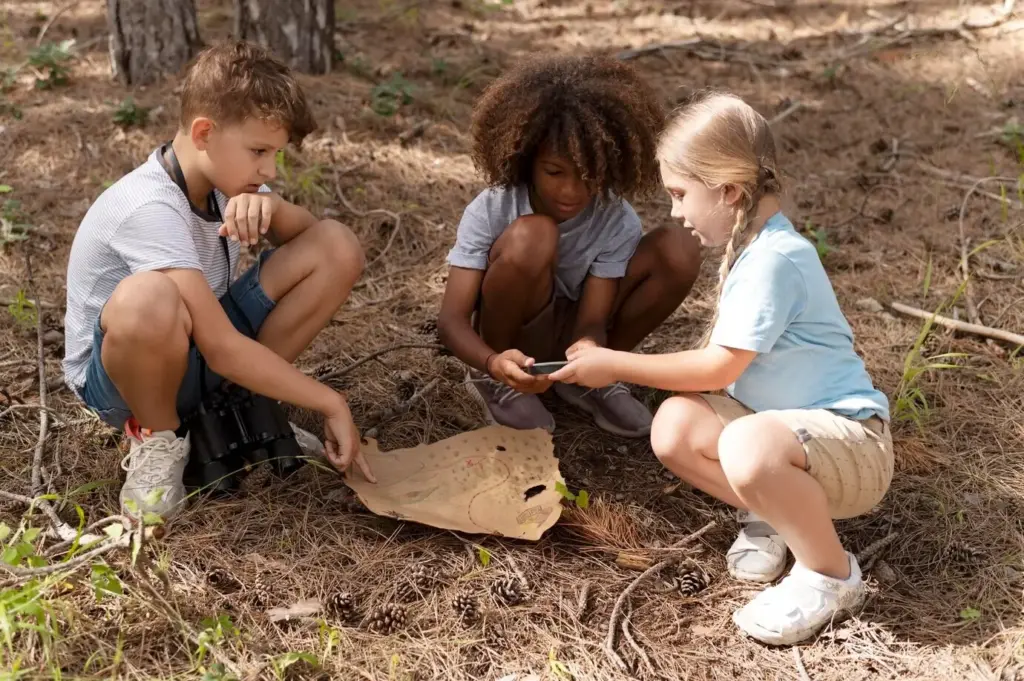
Sketch a simple route that hits the shadiest sidewalks, arcades, and tree tunnels near your home. Turn it into a treasure hunt by spotting patterns in brickwork, murals, or balcony plants. Pause where breeze meets shadow and practice three deep breaths to cool your body. Check in with your hydration. Note one new restful spot you discover and mark it for future micro breaks. The goal is not distance but comfort and delight, proving adventure can be gentle, adaptive, and refreshingly local.

August: Night market or porch concert circuit

If your area hosts night markets, outdoor movies, or porch concerts, create a mini circuit that fits an hour. Travel light and arrive with a curiosity list, like tasting one new snack or chatting with one maker. If events are scarce, curate your own circuit of twinkle lit porches and warmly lit windows, noticing community rhythms after dark. Record ambient sounds or sketches. End with a cool drink on your stoop, letting the evening settle in your body as an easy, luminous memory.

October–December: Cozy Brightness on Familiar Paths
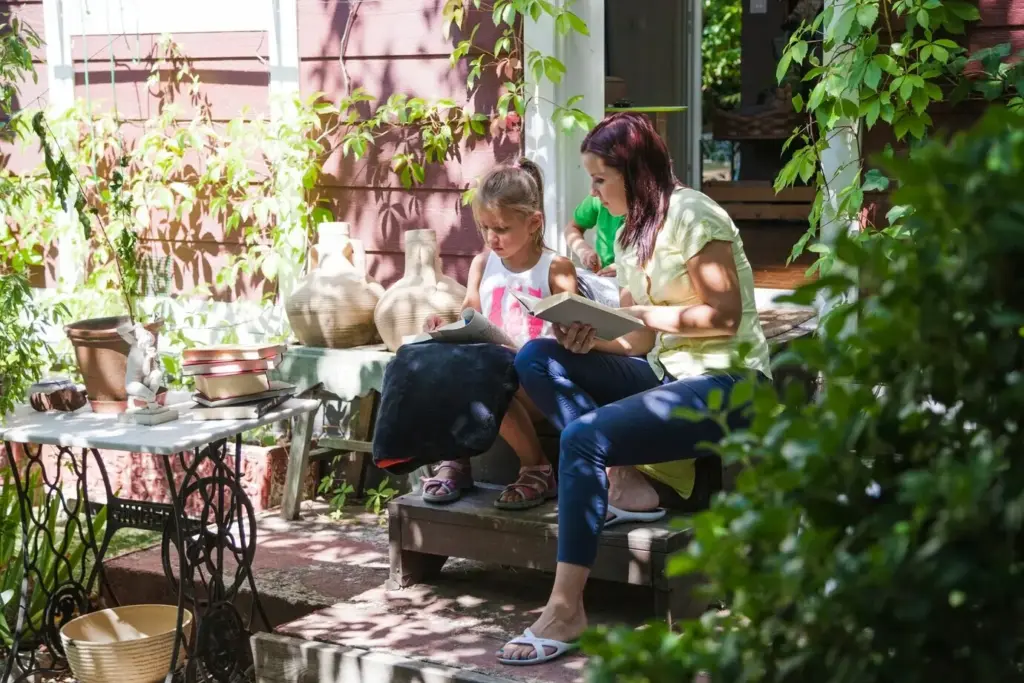
Cooler light and crisp air invite comforting rituals, gentle celebration, and meaningful reflection. Find joy in leaves underfoot, kitchen spices traveling through open windows, and warm glows spilling onto sidewalks. Keep walks compact and tactile by collecting textures, colors, and small stories from neighbors. Treat each outing as a lantern for your mood, illuminating the next week with simple brightness. In this closing season, focus on gratitude, rest, and community, letting tiny ceremonies mark time in ways that feel grounding and tender.

Build Your Personal Ritual Blueprint

Set intentions and mood baselines

Before beginning a month, rate your mood and energy on a friendly scale and choose one feeling to cultivate, such as calm, wonder, or courage. Write a single sentence describing what your ritual might teach you. Keep expectations flexible and kind. Baselines help you notice small shifts that would otherwise go unseen, protecting motivation from all or nothing thinking. When you review later, you will spot patterns that inform gentle adjustments, allowing your practice to evolve with your reality rather than resist it.

Compose the ritual with cue, action, and reward

Pick a concrete cue like sunrise on Saturdays or the first weekday after payday. Choose an action that takes fifteen to thirty minutes and fits most weather patterns. Add a small reward you genuinely enjoy, such as a favorite tea, song, or sticker on a calendar. The reward is not childish; it closes the habit loop beautifully. Over time, your brain anticipates pleasure and shows up more easily, making consistency feel natural. Simplicity and delight are strengths, not shortcuts, in sustainable design.

Track, tweak, and celebrate progress

Use a tiny index card, notes app, or wall calendar to record each outing with one sensory detail and one emotion. When a month ends, celebrate what worked and adjust what did not by reducing distance, shifting time, or adding a companion. Treat lapses as data, not failure. Improvement comes from playful curiosity rather than pressure. By honoring even the smallest wins, you reinforce identity as someone who creates light, local moments, training your attention to expect satisfaction and show up again.

Safety, Accessibility, and Budget Ease

Neighborhood rituals should feel welcoming and adaptable. Prioritize comfort, mobility, and affordability by designing routes with benches, ramps, reliable lighting, and clear sidewalks. If needed, integrate transit stops, elevators, or indoor loops through libraries and corridors. Build a simple kit with layers, hydration, and reflectivity. Seek community guidelines and respect access needs for yourself and others. Keep budgets light by focusing on attention rather than purchases. Inclusive design makes rituals resilient, ensuring they remain available on tough days and especially nourishing on good ones.

Comfort first planning and access checks

Preview routes in daylight, noting curb cuts, crossing times, and rest spots. If you use mobility aids, test surfaces and door widths where applicable. Share your plan with a friend and set a check in message for added confidence. Consider reflective gear and portable phone power. When a route feels safe and predictable, mood rises more easily because your nervous system is not bracing for surprises. Comfort is not a luxury here; it is the foundation that lets delight safely take center stage.

Micro budgets and joyful swaps

Keep costs almost zero by swapping purchases for sensory richness. Trade a new accessory for a favorite playlist, a borrowed library book, or a thermos of homemade cocoa. Use a simple tote instead of specialized gear. When spending helps, direct small funds toward socks, layers, or a durable bottle rather than novelty items. Budget constraints can become creative prompts, guiding you toward experiences that are repeatable and grounding. The result is a ritual powered by attention, not consumption, making it naturally sustainable.

Weather wisdom and backup rituals

Create an A plan and a B plan for temperature swings, wind, or storms. Indoor alternatives might include a museum corridor, greenhouse, grocery produce aisle, or transit station loop with safe lighting. Keep a lightweight umbrella and compact hat handy. Decide in advance when to pivot rather than push through harsh conditions. Backup plans protect consistency and dignity, so the ritual continues to feel like care, not punishment. The point is steadiness, not bravado, honoring body signals while keeping curiosity alive.

Share, Subscribe, and Spark a Local Wave

Your small rituals can inspire others to notice beauty on their own blocks. Share a monthly photo, drawing, or three line reflection and invite neighbors to try the next outing together. Subscribe to continue receiving fresh prompts, gentle checklists, and seasonal science tidbits that keep momentum going. Ask questions, request specific ideas for your climate, and report back on experiments you loved. As stories circulate, sidewalks grow friendlier, and more people find accessible ways to feel lighter, steadier, and wonderfully connected.

Start a small circle on your block

Pick a consistent time, like first Saturday mornings, and keep the loop brief enough for kids, elders, and beginners. Create a rotating focus such as colors, sounds, or kindness gestures. Start and end at the same landmark to build familiarity. Encourage flexible participation, welcoming late arrivals and quick departures. Post a simple reminder where neighbors already gather online. Over a season, the circle becomes a gentle anchor, proving that community can be built through attention, not agenda, one friendly walk at a time.

Tell your story and inspire others

Write a few sentences about a moment that moved you, like steam rising from a street grate or laughter from a window, and include what emotion shifted. Offer practical details so readers can replicate the experience nearby. Invite replies with the smallest ritual that worked for them this week. Storytelling reduces isolation and builds courage to try again on hard days. Your perspective might be the nudge that helps someone else rediscover ease, wonder, and belonging around the corner from their front door.

Lupazaxotelalapape
Privacy Overview

This website uses cookies so that we can provide you with the best user experience possible. Cookie information is stored in your browser and performs functions such as recognising you when you return to our website and helping our team to understand which sections of the website you find most interesting and useful.